

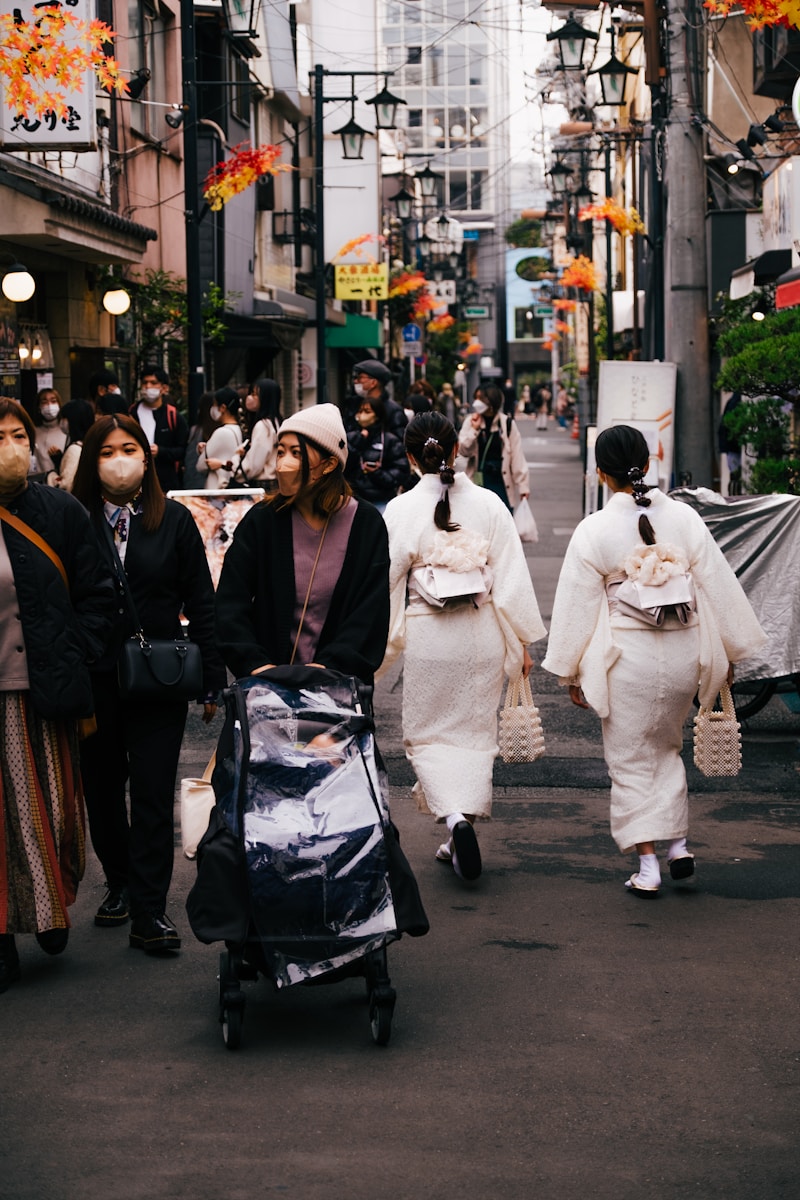
Tokyo, the bustling heart of Japan, is a city where tradition meets innovation in the most vivid, creative ways. This fusion is not only evident in the architecture, food, and culture but also in its street fashion scene. While fashion capitals like Paris, Milan, and New York have long held a monopoly on setting global trends, Tokyo’s street style offers a distinct, boundary-pushing aesthetic that has been shaping the global fashion conversation for decades. Tokyo’s fashion scene is more than just about trends; it’s a reflection of its diverse culture, bold subcultures, and an unrelenting pursuit of self-expression.
This essay delves into what the world can learn from Tokyo’s street fashion scene, exploring its evolution, the role of subcultures, and the city’s influence on global fashion. From the eclectic styles seen in Harajuku to the minimalist chic of Omotesando, Tokyo teaches us how fashion can transcend boundaries and express individuality while still being rooted in cultural history.
Tokyo: A City of Style Contrasts
Tokyo’s street fashion can’t be pigeonholed into a single category. Unlike the uniform looks that dominate other major cities, Tokyo’s street fashion is a melting pot of diverse influences. Here, you can find everything from the playful, colorful ensembles of Harajuku to the sleek, refined outfits of Aoyama. In fact, one of the most powerful lessons from Tokyo’s street style is how fashion can be as varied as the people who wear it. It embraces contrasts and rejects conformity in favor of creativity and self-expression.
Tokyo’s fashion is, in many ways, an embodiment of the city itself: constantly evolving, influenced by both the old and the new. This constant reinvention of style speaks to Tokyo’s ability to blend cultural influences from around the world with its own unique traditions. The result is a dynamic street fashion scene that celebrates difference rather than uniformity.
The Evolution of Tokyo’s Street Fashion
The roots of Tokyo’s street fashion can be traced back to the 1980s when youth culture began to assert itself in a way that had never been seen before. In the early days, the style was largely influenced by Western pop culture, as young people adopted the styles seen in movies, music, and television. However, as Japan’s fashion culture matured, Tokyo began to cultivate its own unique identity.
During the 1990s, Harajuku became the epicenter of Tokyo’s street fashion. Known for its eclectic mix of styles, Harajuku was where different subcultures began to flourish. From the punk-inspired looks to the extravagant Gothic Lolita style, Harajuku became synonymous with non-conformity. The style was a rebellion, a rejection of traditional fashion norms, and a celebration of individuality. It was here that Tokyo’s street fashion really began to make waves internationally.
Since then, Tokyo’s fashion scene has evolved into a blend of streetwear, high fashion, and underground movements. Designers and influencers now embrace the city’s unique ability to mix styles that might seem impossible elsewhere. Street fashion in Tokyo is no longer just a subculture; it has become a mainstream phenomenon that continues to influence global trends, thanks in part to Tokyo’s ability to blend elements from both the high and low ends of the fashion spectrum.
Subcultures: The Heart of Tokyo Street Fashion
What sets Tokyo’s street fashion apart from other cities is its deeply ingrained subcultural influence. Subcultures in Tokyo are not just trends; they are movements, deeply rooted in social, political, and artistic expressions. Whether it’s the wild, exaggerated looks of the Gyaru (youth who embraced a flashy, glamorous style) or the dark and romantic vibes of Gothic Lolita, Tokyo’s subcultures each tell a story.
These subcultures are often built around specific values, music genres, or even art movements, creating communities that communicate through fashion. What we learn from these subcultures is how fashion can reflect deeper aspects of a person’s identity and beliefs. For example, the Visual Kei movement, which emerged in the 1980s, was more than just about aesthetics. It was about challenging norms and pushing against societal expectations, which is why its influence is still visible in Tokyo’s fashion scene today.
The lesson here is that street fashion is not just about clothes; it’s about self-expression and belonging to something greater than oneself. It encourages people to dress in a way that resonates with their individuality while also aligning with a community or culture. Tokyo’s street fashion reminds us that clothing can be a powerful tool for communication, both personal and collective.
Embracing the Unexpected: How Tokyo Mixes High and Low Fashion
Tokyo’s street fashion scene has always been one of extremes. One of the most striking features of the city’s fashion is its ability to blend high fashion with streetwear, creating looks that are both luxurious and accessible. For instance, you might find a person wearing an avant-garde designer piece paired with thrifted vintage clothes, or a streetwear hoodie matched with couture accessories. This fusion of luxury and everyday fashion has become a signature of Tokyo street style, showing the world that fashion need not be bound by economic class or exclusivity.
This approach is particularly evident in areas like Shibuya and Harajuku, where fashion-forward youths mix designer pieces with items from fast fashion stores or even second-hand shops. The blending of high and low fashion has challenged traditional fashion norms, opening the door for more inclusive and diverse representations of style.
From this, we learn that fashion doesn’t need to be limited to what’s new or expensive. Creativity thrives when people are willing to experiment and mix different types of clothing, and Tokyo’s street fashion proves that style doesn’t have to come with a hefty price tag. By combining high-end and affordable fashion, Tokyo encourages a more democratic approach to fashion — one that invites everyone to participate, regardless of their budget.
The Influence of Technology and Social Media
In the digital age, social media has become an essential part of how fashion spreads and evolves. Tokyo’s street fashion scene has embraced this shift, with platforms like Instagram and TikTok playing a massive role in influencing what’s trending. Street style photos and videos from Tokyo regularly appear on global fashion blogs, influencing fashionistas from all over the world.
What we learn from Tokyo in this regard is the power of visual storytelling. Fashion bloggers and influencers in Tokyo often curate entire lifestyles through their online presence, using their fashion choices to express their personality, values, and aspirations. This has created a new form of fashion communication that transcends traditional media and allows people to gain influence purely through their style.
Furthermore, this digital-first approach to fashion allows for faster trend cycles and greater cross-cultural exchanges. Street style from Tokyo, which may have once taken years to influence global fashion, now spreads almost instantly across the globe. Tokyo’s fashion scene teaches us that in the modern era, style is not confined to a specific geographical location — it’s global, accessible, and ever-evolving.
Sustainability and Innovation in Tokyo Street Fashion
As the world becomes more aware of the environmental impact of fast fashion, Tokyo’s street fashion scene has started to embrace sustainability. Many of the city’s young fashion enthusiasts are opting for second-hand clothing, supporting vintage shops, and experimenting with upcycling. In fact, Tokyo has become a hub for sustainable fashion, with its streetwear scene incorporating eco-conscious materials and production techniques.
The lesson here is the importance of sustainability in fashion. Tokyo’s young generation understands the importance of not just looking good but also contributing to a more sustainable world. Street fashion in Tokyo is leading the charge in demonstrating that style can be both creative and conscious of the planet.