

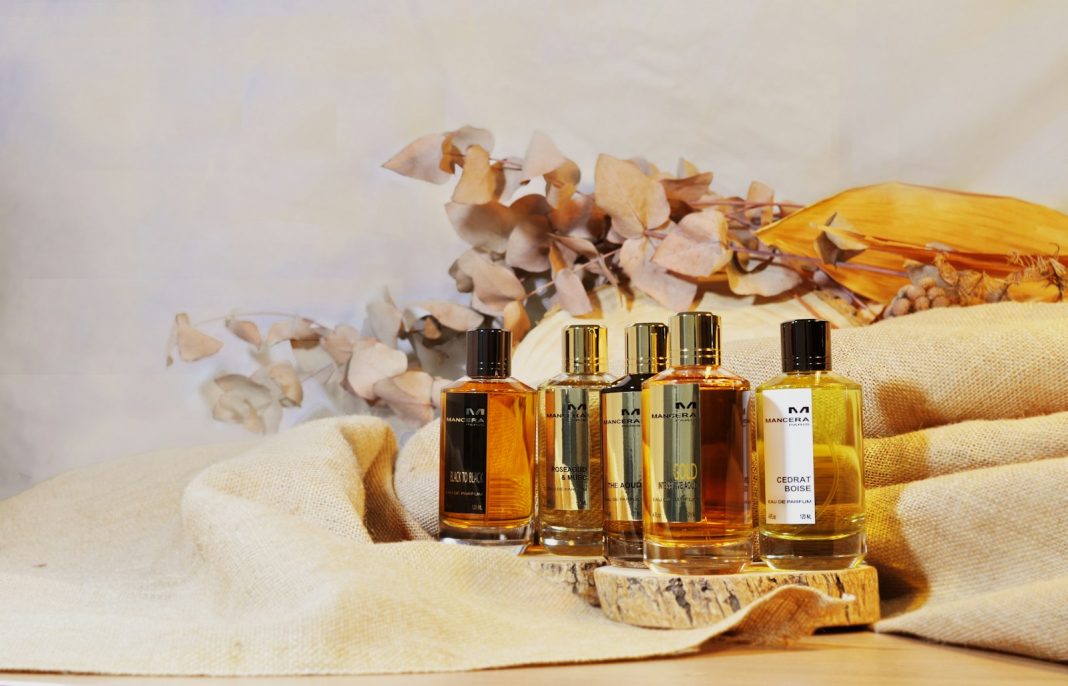
Fragrance is one of the most personal and intimate elements of self-expression. A single spritz can evoke memories, influence moods, and leave a lasting impression. Just as you would carefully curate your wardrobe to reflect your style, layering fragrances offers an opportunity to express your personality in a more subtle yet powerful way. The art of layering fragrances allows you to create a signature scent that is uniquely yours, combining various notes to craft a fragrance that speaks to you in a way mass-produced perfumes cannot.
Layering scents may sound like a complex endeavor, but with a little understanding and experimentation, you can transform your perfume routine into an exciting ritual of discovery. This essay explores the art of layering fragrances, offering guidance on how to mix and match scents for a custom, personalized fragrance that not only complements your individual style but also enhances your presence.
Understanding the Basics of Fragrance Composition
Before diving into the art of layering, it’s important to have a basic understanding of how fragrances are structured. Fragrances are created using top, middle (or heart), and base notes, which work together to create the full scent profile.
Top Notes: The First Impression
The top notes are the first scent you experience when you spray a fragrance. They are typically light, fresh, and volatile, dissipating within the first 10 to 30 minutes. Common top notes include citrus, herbs, and light fruits. While they set the tone for the fragrance, they don’t have the longevity of other notes and are often the quickest to fade. Think of them as the introduction to your fragrance.
Middle Notes: The Heart of the Scent
The middle notes, or heart notes, emerge once the top notes have dissipated. These are the core of the fragrance and define its character. They last longer than top notes but aren’t as heavy as the base notes. Floral, spicy, and fruity scents often fall into the middle notes category. These notes are crucial for giving a fragrance its depth and complexity.
Base Notes: The Foundation
Base notes are the longest-lasting elements of a fragrance. These notes form the foundation and provide depth, richness, and longevity. They tend to be heavier, with earthy, woody, and musky characteristics. Common base notes include vanilla, amber, musk, patchouli, and sandalwood. Base notes will linger on the skin for hours, even after the top and middle notes have faded, creating the lasting impression of the fragrance.
Understanding these categories will help you to layer scents effectively. Combining top, middle, and base notes from different perfumes allows you to create a balanced, harmonious fragrance profile that is uniquely your own.
The Principles of Layering Fragrances
Layering fragrances isn’t just about mixing two or more scents together. To master the art of layering, you’ll need to understand how to complement and contrast different fragrance notes. Here are some key principles to keep in mind:
- Start with a Base Scent
When layering fragrances, it’s often helpful to begin with a base scent that will provide a strong foundation. This could be a fragrance with rich, deep notes like sandalwood, amber, or vanilla. These base scents create a solid foundation for the lighter, more volatile top and middle notes.
For example, a fragrance with amber as the base note works well when paired with fresh citrus top notes or a spicy middle note, providing a well-rounded and long-lasting scent.
- Contrast with Lighter, Fresher Notes
After establishing a base scent, you can layer in lighter, fresher notes to create a more complex fragrance. These can include citrus, florals, herbs, or green notes. The key is to find scents that don’t overpower the base but rather enhance it. Fresh and crisp notes can provide an interesting contrast to the heavier, more sensual base notes.
For instance, a woody base scent of cedarwood paired with a zesty citrus like bergamot can offer a striking contrast between the warm, earthy elements and the bright, uplifting citrus. Layering a floral note, such as jasmine, with a musky base can create an elegant, feminine fragrance that is both complex and enduring.
- Play with Different Concentrations
Fragrance strength varies, and understanding how different concentrations of perfume can affect your layering technique is essential. Eau de toilette (EDT) is lighter and has a shorter longevity, while eau de parfum (EDP) and perfume oils tend to be stronger and last longer. If you’re using a lighter fragrance, it’s best to layer it with a stronger scent to ensure that the top notes don’t overpower the base notes. On the other hand, if you’re layering two strong fragrances, it’s important to make sure the notes complement each other rather than clashing.
- Focus on the Notes, Not the Brands
When layering fragrances, don’t worry too much about using perfumes from the same brand or collection. Instead, focus on the individual notes and how they interact with each other. Fragrances with similar notes can often complement each other beautifully, even if they are from different perfume houses. Experimenting with different brands and scents will allow you to discover unexpected combinations that create something truly unique.
For example, a fragrance with deep, warm vanilla can be paired with a fresh floral perfume, like rose or peony, from a completely different brand to create an inviting and balanced fragrance. This flexibility allows you to be creative with your scent combinations, finding the perfect blend for any mood or occasion.
Tips for Layering Fragrances Successfully
To make the most out of your fragrance layering, here are some practical tips:
- Don’t Overdo It
While layering can be fun, it’s important not to overdo it. Too many fragrances layered on top of each other can result in a clashing or overwhelming scent. Start with two or three fragrances and build up from there as you get more comfortable with the process. Keep the balance in mind — the goal is to complement, not overpower.
- Apply Fragrance Strategically
To ensure that your fragrance layers work well, apply them strategically. Begin by spraying your base fragrance on pulse points, such as your wrists, behind your ears, and on your chest. These areas will help to diffuse the fragrance and allow it to last longer. After applying the base scent, add the other layers on top, starting with the lighter, fresher notes. If you want the scents to last throughout the day, you can also layer the fragrances on your clothes or hair, as fabrics and hair tend to hold scent longer than skin.
- Let the Scents Settle
Once you’ve applied your layers, give the fragrances some time to settle and blend. Fragrances develop over time, with the top notes fading away and the middle and base notes becoming more prominent. Allowing the scents to evolve naturally will help you gauge how they interact with each other and whether any adjustments need to be made.
- Experiment and Personalize
The beauty of layering fragrances is that it’s a highly personal process. There are no right or wrong combinations, and experimenting is part of the fun. You can layer perfumes to match your mood, the season, or the occasion. Don’t be afraid to try unexpected combinations — sometimes the most surprising pairings create the most captivating results.
Layering for Different Occasions
The versatility of layering fragrances means that you can create a custom scent for any occasion. Here are a few ideas to get you started:
For Daytime: Fresh and Uplifting
For a daytime scent, opt for a fresh, light combination. A citrus top note, such as lemon or grapefruit, paired with a light floral middle note like lily of the valley, combined with a soft base of musk or sandalwood, can create a fragrance that is uplifting and energizing, yet not overpowering.
For Evening: Deep and Sensual
For evening wear, choose fragrances with richer, warmer notes. A blend of vanilla, amber, and patchouli with a touch of rose or jasmine can create a sensual, seductive fragrance. The depth of the base notes combined with the soft floral middle notes will leave a lasting impression without being too heavy.
For Special Occasions: Elegant and Unique
For special events like weddings or formal dinners, create a fragrance that is elegant and distinctive. A combination of creamy vanilla, white florals like gardenia or tuberose, and soft musk or amber creates a sophisticated, memorable scent. This custom fragrance will not only reflect your style but also leave a lasting impression.