

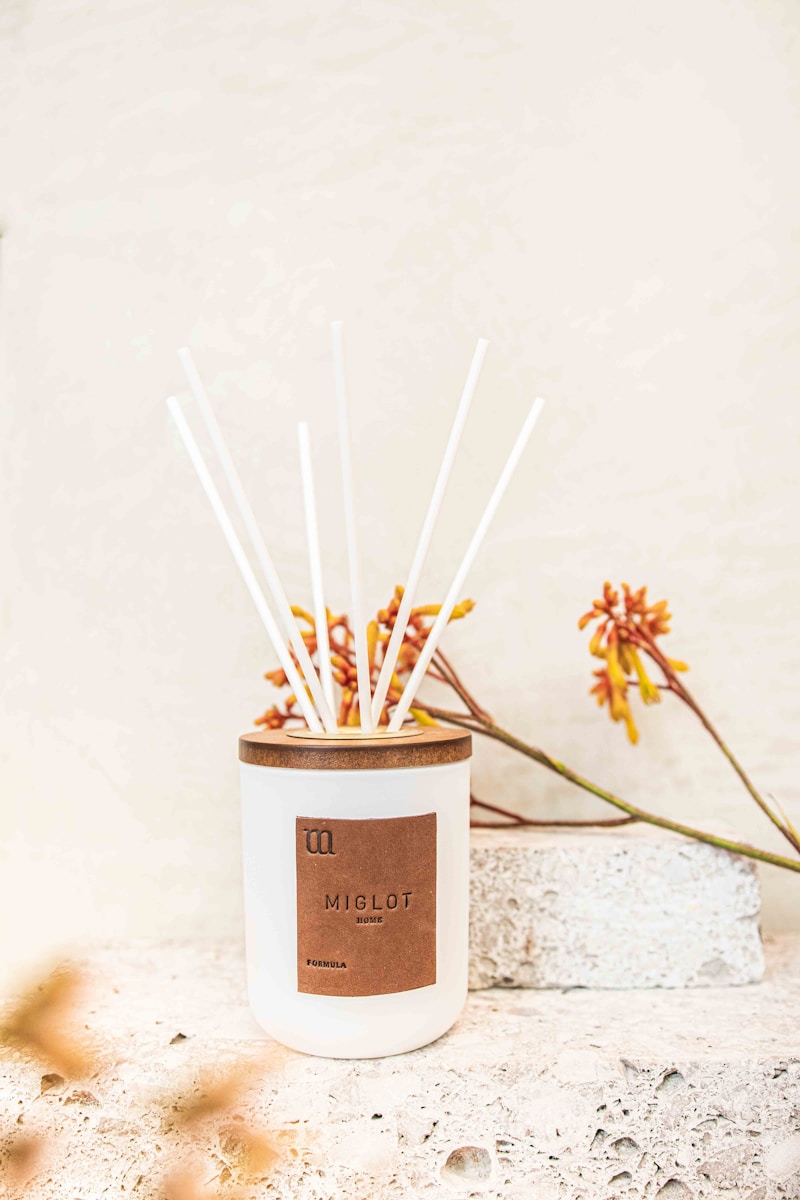
Fragrance has the unique power to evoke emotions, transport us to specific moments in time, and leave lasting impressions. Just as your style or personality is uniquely yours, your signature scent can be a powerful form of self-expression. A well-chosen fragrance can reflect your mood, enhance your presence, and even become a defining aspect of who you are. But with so many options available, finding the perfect scent can feel overwhelming.
The process of discovering a signature scent involves more than just picking out a bottle based on its notes or its attractive packaging. It’s about understanding your preferences, body chemistry, and the emotional connection you seek to form with a fragrance. In this step-by-step guide, we’ll explore how to find the fragrance that complements you perfectly, so you can confidently wear a scent that feels as unique as you are.
Step 1: Understand Fragrance Families and Notes
Before diving into the world of perfumes, it’s essential to familiarize yourself with fragrance families and the different notes that make up a perfume. A fragrance can be categorized into several broad families, each with its own distinct characteristics. These include floral, woody, citrus, oriental, and fresh, among others. Understanding these families will help you narrow down which scents you may gravitate toward.
Floral: Often sweet and romantic, floral fragrances are made from flowers like roses, jasmine, and lavender. They are typically light and feminine but can range from soft and powdery to bold and intoxicating.
Woody: These scents are rich, warm, and earthy, made from ingredients like sandalwood, cedarwood, and patchouli. They often feel grounding and sophisticated.
Citrus: Known for their fresh, tangy, and energizing qualities, citrus scents are made from fruits like lemons, oranges, and bergamot. These are usually bright and uplifting.
Oriental: These fragrances are exotic, rich, and spicy, with notes like vanilla, cinnamon, and amber. They tend to evoke warmth and sensuality.
Fresh: Light and breezy, fresh scents can include notes like green leaves, ocean air, and herbs. They offer a clean, natural vibe.
Each fragrance family has its own set of notes that combine to create the overall experience. Top notes are the initial impression you get when you first spritz the perfume, often light and fleeting. Heart or middle notes are the core of the fragrance, lasting longer and giving the perfume its depth. Base notes are what remain after the perfume has settled, providing the lasting impression of the fragrance. By understanding these layers, you can start to identify the kinds of scents that resonate with you.
Step 2: Consider Your Personal Style and Personality
Just as your clothing choices reflect your personality, your fragrance should also be an extension of who you are. Take a moment to think about how you want your fragrance to reflect you. Do you want it to be fresh and energetic, bold and daring, or warm and comforting? The right scent should align with your mood, style, and the image you want to project.
If you’re bold and adventurous: You might lean toward spicy, woody, or oriental fragrances that have depth and warmth. These scents can make a statement and leave a lasting impression.
If you’re sophisticated and elegant: Floral or fruity fragrances may be a great match. They evoke a sense of refinement and are often associated with classic femininity or masculinity.
If you’re energetic and upbeat: Light, citrus, or fresh scents might be your go-to. These fragrances feel uplifting and energizing, perfect for day-to-day wear.
If you’re laid-back and relaxed: Fresh, clean scents or even soft, powdery notes might be appealing. These fragrances are often subtle and comforting, offering a sense of ease.
Understanding your personality and how you want to be perceived can help you choose a fragrance that aligns with who you are. A signature scent should not only smell good but also resonate emotionally with you, creating a sense of connection when you wear it.
Step 3: Test Scents and Explore Different Brands
Once you’ve familiarized yourself with fragrance families and reflected on your personal style, it’s time to start testing different scents. The best way to do this is to visit a perfume store or counter where you can sample a wide variety of fragrances. When testing perfumes, there are a few guidelines to keep in mind.
Test one fragrance at a time: To avoid overwhelming your senses, try testing only one fragrance at a time. Spritz it on your wrist or the back of your hand, and let it settle for a few minutes before evaluating the scent.
Give it time to develop: Perfumes evolve over time, so it’s important to let a fragrance breathe and develop on your skin before making a judgment. The top notes will fade quickly, and the heart and base notes will reveal themselves over the next hour or so.
Use coffee beans to reset your senses: If you’re testing multiple scents in one session, sniff some coffee beans in between to reset your sense of smell. This can help clear your palate, so to speak, and prevent scents from blending together.
As you test different fragrances, make note of the ones that resonate with you. Pay attention to how each scent makes you feel and whether you’re drawn to it. You might notice that certain fragrances make you feel more confident, relaxed, or energized. This connection is important because your signature scent should evoke a strong emotional response when you wear it.
Step 4: Understand How Your Body Chemistry Affects Fragrance
One of the most important factors in finding your signature scent is understanding how your body chemistry interacts with different perfumes. Fragrance is not just about the notes themselves—it’s also about how those notes blend with your skin’s natural oils and pH levels. This is why a fragrance that smells amazing on someone else might not work as well on you.
Skin type matters: Oily skin tends to hold onto fragrance longer, while dry skin may cause the scent to fade more quickly. If you have dry skin, you may want to consider fragrances with heavier base notes, such as vanilla or amber, which tend to linger longer.
Body temperature: Fragrance also reacts differently depending on your body temperature. If you’re warm-blooded or spend a lot of time in warmer environments, your body heat can cause certain notes to intensify or evaporate faster.
When finding your signature scent, it’s essential to test fragrances on your skin rather than just on a paper strip. This will give you a true sense of how the fragrance interacts with your body chemistry and whether it lasts throughout the day.
Step 5: Choose a Fragrance for Different Occasions
While your signature scent should be something you wear regularly, it’s also worth considering how the fragrance you choose works for different occasions. A signature scent doesn’t necessarily mean you only wear one fragrance for every situation, but you should have a scent that feels versatile and appropriate for a variety of moments.
For everyday wear: A lighter, fresher scent may work best for daily use. Think of something that isn’t overwhelming but still leaves an impression—like a citrus or floral fragrance.
For work or professional settings: A more subtle, sophisticated fragrance is often best. Choose something that complements your personal style without being too overpowering, such as a soft woody or green scent.
For evenings or special occasions: Here’s where you can get creative and go for a bolder, more dramatic fragrance. Rich floral, oriental, or gourmand scents tend to feel luxurious and memorable, perfect for making a statement.
While it’s important to have a signature scent, don’t be afraid to mix it up depending on the mood or event. Over time, you may find that you have a rotation of signature scents that fit different aspects of your lifestyle.
Step 6: Trust Your Instincts
Ultimately, the best way to find your signature scent is to trust your instincts. A fragrance is personal, and it should feel like an extension of you. When you find the right fragrance, you’ll know it—it’ll feel comfortable, natural, and right for you. Don’t be afraid to take your time and explore different options. Fragrance is not only about smell; it’s about how it makes you feel.