

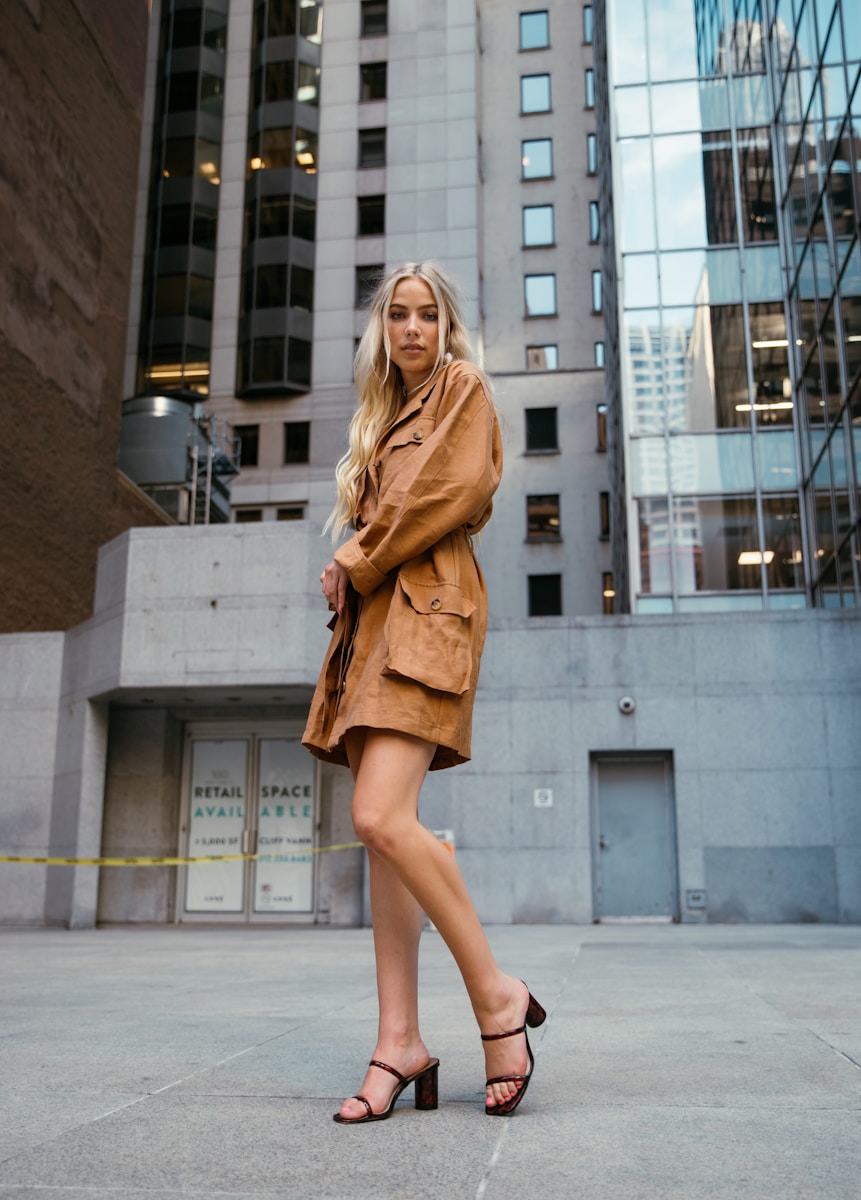
Thrifting is no longer just a budget-friendly option for the fashion-conscious; it has evolved into a cultural phenomenon, embraced by fashion editors, influencers, and designers alike. The thrill of uncovering hidden gems in secondhand stores, the satisfaction of styling a vintage find, and the sustainability it promotes have made thrifting not just a trend, but a lifestyle. But how can you take your thrifting game to the next level and shop like a seasoned fashion editor? It’s not just about finding cheap clothes—it’s about curating a wardrobe of timeless pieces, making bold fashion statements, and uncovering those rare items that you’ll wear again and again. In this guide, we’ll explore the secrets behind thrifting like a fashion editor, from honing your eye for quality to mastering the art of styling.
- The Thrill of Thrifting: A Fashion Editor’s Perspective
Fashion editors are always ahead of the curve when it comes to spotting trends. What’s often overlooked, however, is the fact that many of these trends start in the secondhand aisles of thrift stores. Fashion editors, with their keen sense of style and deep understanding of fashion history, know that thrifting isn’t just about saving money—it’s about discovering pieces that will elevate their wardrobes, and in some cases, define their signature looks.
The first step to thrifting like a fashion editor is to understand why it works. Thrift stores are treasure troves of not only affordable clothing but also unique, high-quality items that might not be found in your average retail store. Fashion editors have an innate ability to spot these items and visualize how they’ll fit into their own personal style. From vintage Chanel jackets to obscure designer dresses, thrifting allows them to own pieces of fashion history, while staying on trend and ahead of the curve.
- Know What You’re Looking For
While thrifting can feel like a treasure hunt, it’s important to approach it with intention. Fashion editors never wander aimlessly through thrift stores—they have a clear vision of what they’re hunting for. This vision isn’t just about buying any item that catches the eye; it’s about curating a wardrobe that feels cohesive, stylish, and timeless.
Identify Your Style and Needs
Before stepping into a thrift store, take a moment to reflect on your personal style and wardrobe gaps. Are you looking for statement pieces to elevate your everyday outfits? Or are you after basics that will form the foundation of a capsule wardrobe? Fashion editors have a well-defined sense of style, so they know exactly what they want to add to their collection. Whether you’re searching for a vintage leather jacket or a pair of high-waisted trousers, having a clear vision makes the thrifting process more efficient and rewarding.
Focus on Timeless Pieces
Fashion editors are masters at spotting timeless pieces that will never go out of style. Think about investing in high-quality fabrics, classic silhouettes, and items that will remain relevant season after season. For example, a tailored wool coat, a leather handbag, or a perfectly fitted blazer are pieces that transcend trends and work for nearly every occasion. Thrifting gives you the opportunity to find these timeless items at a fraction of their original price.
- Master the Art of the Hunt: Location, Patience, and Persistence
Thrifting is an art, and like any art form, it requires patience, practice, and perseverance. Fashion editors are masters at the hunt. They know the best thrift stores in their area, and they don’t mind investing time in sifting through racks to find that one perfect item.
Research the Best Thrift Stores
Not all thrift stores are created equal. Some focus on high-end designer items, while others cater to more affordable everyday pieces. Fashion editors know which stores are worth visiting based on their inventory, location, and pricing. If you’re in a larger city, consider checking out curated vintage stores or higher-end secondhand shops, which often carry designer labels and more refined pieces. In smaller towns, the local thrift stores can sometimes surprise you with hidden gems that aren’t found in big-box retail stores.
Visit Frequently, Especially on Sale Days
Thrift stores are constantly changing their inventory, so the more frequently you visit, the better your chances of finding something truly unique. Fashion editors often make thrifting a regular habit, visiting multiple stores a week and keeping track of when new items are brought in. Many thrift stores also have discount days, so if you can, schedule your visits around these times to score even better deals.
Stay Patient and Persistent
The hunt can be time-consuming, but it’s important to remain patient. Not every visit will result in a fashion find, and that’s okay. Fashion editors know that patience is key. They understand that sometimes you need to sift through piles of mediocre items before discovering the perfect one. It’s all about building that treasure chest of versatile, high-quality pieces over time.
- Spotting Quality: Fabric, Fit, and Condition
When thrifting, fashion editors have an eye for quality. They know how to assess the fabric, fit, and overall condition of an item before committing to a purchase. This expertise comes with experience, but there are a few general tips to help you spot high-quality items.
Examine the Fabric
A major indicator of a garment’s quality is the fabric it’s made from. Fashion editors are quick to identify fabrics that stand the test of time. Look for natural fibers like wool, silk, cotton, and linen, which are more durable and luxurious than synthetic materials. If you’re unsure about a fabric’s quality, take a close look at the stitching. High-quality pieces will have neat, even stitching, while cheap garments often show irregularities or loose threads.
Check for Fit and Alterations
When thrifting, always try items on or, at the very least, hold them up to your body to check the fit. Fashion editors understand that not every piece will fit perfectly off the rack, but a good garment is worth tailoring. A pair of vintage trousers, for instance, can be altered to fit your frame perfectly. Similarly, a slightly oversized jacket can be taken in for a more tailored look. A good fit can transform a mediocre piece into a statement item.
Inspect the Condition
Thrifted clothes have likely been worn before, so it’s important to check for any signs of damage. Fashion editors have an eagle eye for detecting minor flaws that can be fixed, such as missing buttons, small stains, or loose hems. However, if an item is significantly damaged or beyond repair, it’s best to leave it behind. Make sure to check zippers, seams, and pockets to ensure they are in good working condition.
- Styling Your Thrift Finds Like a Fashion Editor
Once you’ve found the perfect thrifted pieces, it’s time to integrate them into your wardrobe. Fashion editors are not just concerned with collecting stylish pieces—they know how to wear them in creative and chic ways that make a statement.
Mix High and Low
One of the easiest ways to style thrifted items is to mix them with new, high-end pieces. For example, pair a vintage leather jacket with a contemporary silk blouse or throw a thrifted sweater over a pair of tailored trousers. Fashion editors understand the art of mixing high and low, combining affordable, thrifted pieces with luxury items to create an effortlessly stylish look.
Embrace Layering
Layering is a key component of the street style look that many fashion editors wear so effortlessly. A thrifted oversized blazer can be layered over a basic t-shirt, or a vintage dress can be paired with a chunky knit sweater. The ability to layer in unexpected ways is one of the hallmarks of a fashion editor’s style, making outfits feel fresh and unpredictable.
Personalize and Play with Accessories
Thrifted accessories can completely change the vibe of an outfit. Fashion editors often rely on accessories like scarves, belts, and jewelry to add flair to their looks. Look for unique handbags, vintage jewelry, or bold hats that can elevate even the simplest outfit. The key is to find pieces that reflect your personality and that can be used to experiment with different looks.