

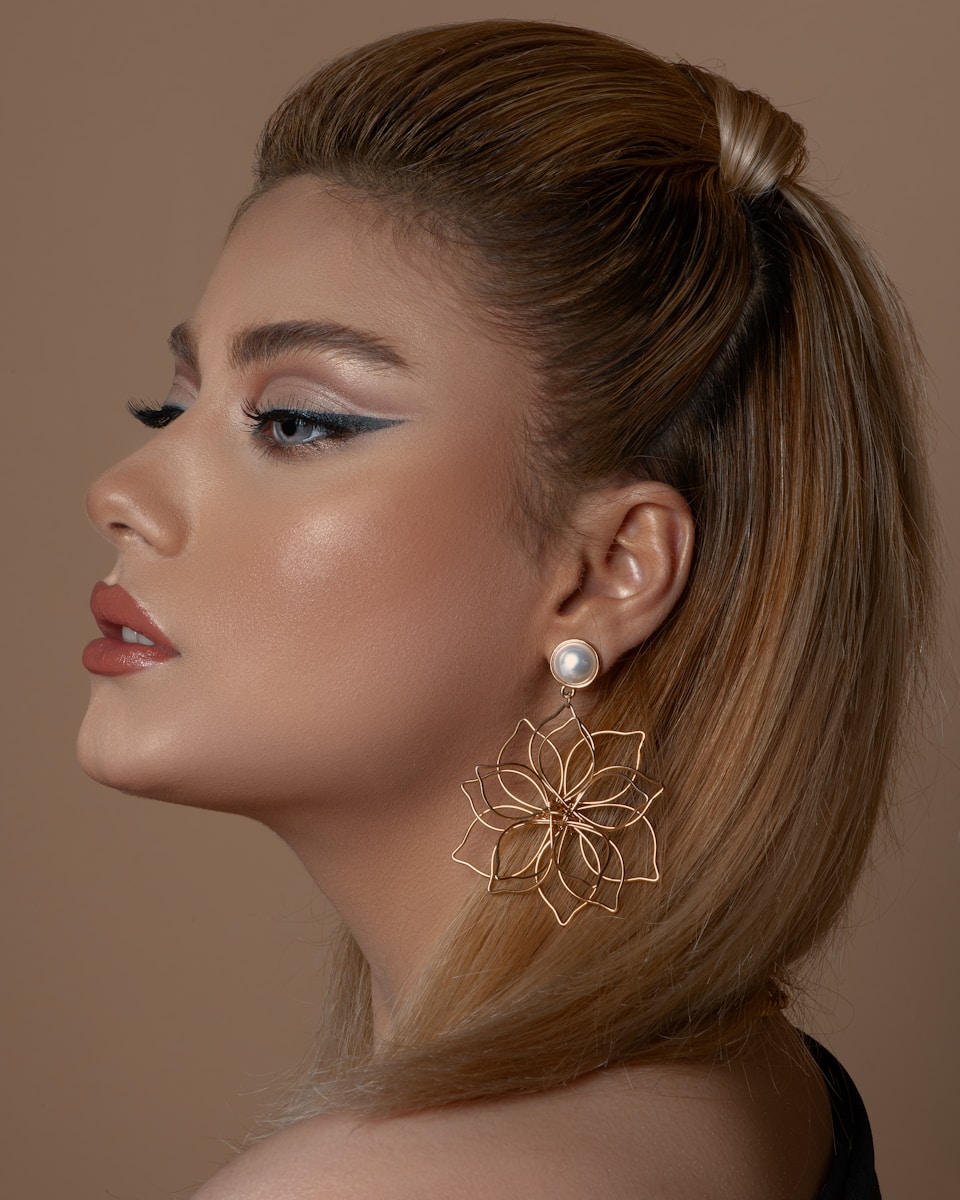
Makeup is an art, and like all art forms, it requires practice, precision, and a good understanding of technique. But even with years of experience, there are certain common makeup mistakes that many of us unknowingly make, which can affect the overall look and longevity of our makeup. Whether you’re a makeup beginner or a seasoned enthusiast, it’s easy to slip into habits that don’t do your face justice.
The beauty of makeup is that it’s all about experimentation and finding what works for your face and style, but sometimes these small, often overlooked mistakes can lead to uneven application, excess product, or a look that doesn’t quite hit the mark. In this guide, we’ll explore some of the most common makeup mistakes that you may not realize you’re making, and how to correct them for a flawless, polished look.
- Not Prepping Your Skin Properly
One of the biggest makeup mistakes is skipping skin prep. No matter how high-end your makeup products are, they won’t perform their best on skin that isn’t clean, moisturized, and primed. Skin prep is essential for creating a smooth base and ensuring that your makeup adheres well, stays in place, and looks its best throughout the day.
Solution: Start with a gentle cleanser to remove any dirt or excess oil. Follow up with a moisturizer suited for your skin type — dry, oily, or combination. If you have oily skin, opt for a lightweight, oil-free moisturizer, while those with dry skin should use something more hydrating. Don’t forget sunscreen, even if you’re staying indoors, as it helps protect your skin from harmful UV rays that can lead to premature aging. Finally, apply a primer to create a smooth canvas for your foundation. Primers can also help control oil, minimize pores, or give you a dewy glow, depending on your needs.
- Using the Wrong Foundation Shade
Matching foundation to your skin tone might seem straightforward, but many people still end up wearing a shade that’s too light or too dark for their complexion. This can result in an unnatural appearance, especially when it comes to blending your makeup into your neck and chest.
Solution: When testing foundation shades, always swatch the product on your jawline or neck — not your wrist — to ensure it blends well with your natural skin tone. Ideally, you want the foundation to seamlessly match the color of your face and neck, as that’s where your skin tone is most consistent. If you’re testing foundation in-store, do it under natural light for the most accurate results. And if you’re unsure, mix two shades to get your perfect match.
- Applying Concealer Before Foundation
While applying concealer before foundation is a common technique, it’s not always the best approach. If you apply concealer first, you might end up covering your dark spots and blemishes only for the foundation to rub it off, leaving you needing more coverage.
Solution: Apply your foundation first and then use concealer to brighten the under-eye area, cover blemishes, and correct any imperfections. This way, you’re only using concealer where you really need it, and you avoid over-layering product. When applying concealer, use a small, tapered brush or a damp sponge for blending to ensure it seamlessly blends into the foundation.
- Skipping Setting Powder or Setting Spray
If you’re someone who doesn’t set their makeup with powder or a setting spray, you might notice your makeup creasing, smudging, or fading throughout the day. Not setting your makeup properly can cause it to slip off your face, especially if you’re prone to oily skin or live in a humid environment.
Solution: After applying foundation and concealer, use a translucent setting powder to lock everything in place. Focus on areas where makeup tends to break down, like under your eyes and on your T-zone. If you have dry skin, you can skip the powder in favor of a setting spray, which will help set your makeup without adding texture or drying it out. For a long-lasting finish, a combination of both — powder to set and spray to lock in hydration — works wonders.
- Applying Too Much Blush
Blush is one of the most fun parts of makeup, but many people apply too much or place it incorrectly, which can make you look flushed in a way that’s less flattering. The wrong blush placement can also make your face appear rounder or accentuate features you don’t want to emphasize.
Solution: Apply blush with a light hand, gradually building the intensity. The key to natural-looking blush is to place it on the apples of your cheeks and blend upward toward your temples. For a lifted effect, make sure to avoid placing blush too low on your cheeks. Using a fluffy brush rather than a dense one also helps ensure a more diffused application.
- Using the Wrong Eye Shadow Colors for Your Eye Shape
It’s easy to fall into the habit of using the same eyeshadow colors for every look, but different eye shapes can benefit from different techniques and shades. Applying eyeshadow incorrectly can make your eyes look smaller, more closed-off, or even cause them to appear uneven.
Solution: For hooded eyes, avoid applying dark shades all over the lid, as this can make your eyes appear more closed. Instead, apply a darker shade along your crease and blend it upwards. For round eyes, try elongating the outer corners with a darker shadow or eyeliner. Monolid eyes may benefit from applying eyeshadow slightly above the natural crease to create depth. Experiment with different techniques to find what flatters your eye shape.
- Overdoing the Highlighter
Highlighter is meant to accentuate the high points of your face, but too much can leave you looking oily or overly shiny. While the glowing skin trend is still in full swing, it’s important to remember that subtlety is key. Overdoing it can create a stark contrast between your face and neck, leaving you with an unrealistic, overly shiny finish.
Solution: Apply highlighter sparingly. Use a small amount on the high points of your cheekbones, down the bridge of your nose, and on your cupid’s bow. For a more natural finish, opt for a cream highlighter instead of a powder, as it blends better into the skin. If you find that your highlighter is too intense, lightly press a damp sponge over the area to blend it in for a softer glow.
- Not Blending Properly
One of the most noticeable makeup mistakes is visible lines or harsh edges, especially around the jawline, nose, or forehead. Makeup that hasn’t been properly blended can look patchy, uneven, or cakey, which undermines the smooth finish you’re aiming for.
Solution: The key to flawless makeup is blending — whether you’re working with foundation, eyeshadow, contour, or blush. Invest in good tools, like a blending sponge or high-quality brushes, to ensure that your products are seamlessly diffused into your skin. Don’t forget to blend down your neck to ensure that your makeup matches your face.
- Not Cleaning Your Makeup Tools
Dirty makeup tools can cause a variety of issues, including streaky application, clogged pores, and the spread of bacteria that can lead to breakouts. Yet many people neglect the cleaning of their brushes and sponges until it’s too late.
Solution: Clean your makeup tools regularly using gentle soap and warm water. A brush cleaner can also help keep brushes in good condition. You don’t need to clean them after every use, but aim for a deep clean at least once a week or whenever you notice product buildup. Keeping your tools in good condition ensures better application and helps avoid any skin issues.
- Ignoring Your Brows
Brows are one of the most defining features of the face, but many people skip grooming or filling them in, which can leave them looking sparse or uneven. Overly harsh or too-light brow makeup can also throw off the balance of your face.
Solution: Groom your brows by plucking any stray hairs and filling them in with a brow pencil or powder that matches your natural color. For a more natural look, avoid heavy application — instead, focus on filling in sparse areas and creating a soft, defined arch. To finish, use a brow gel to set the hairs in place and add a touch of fullness.