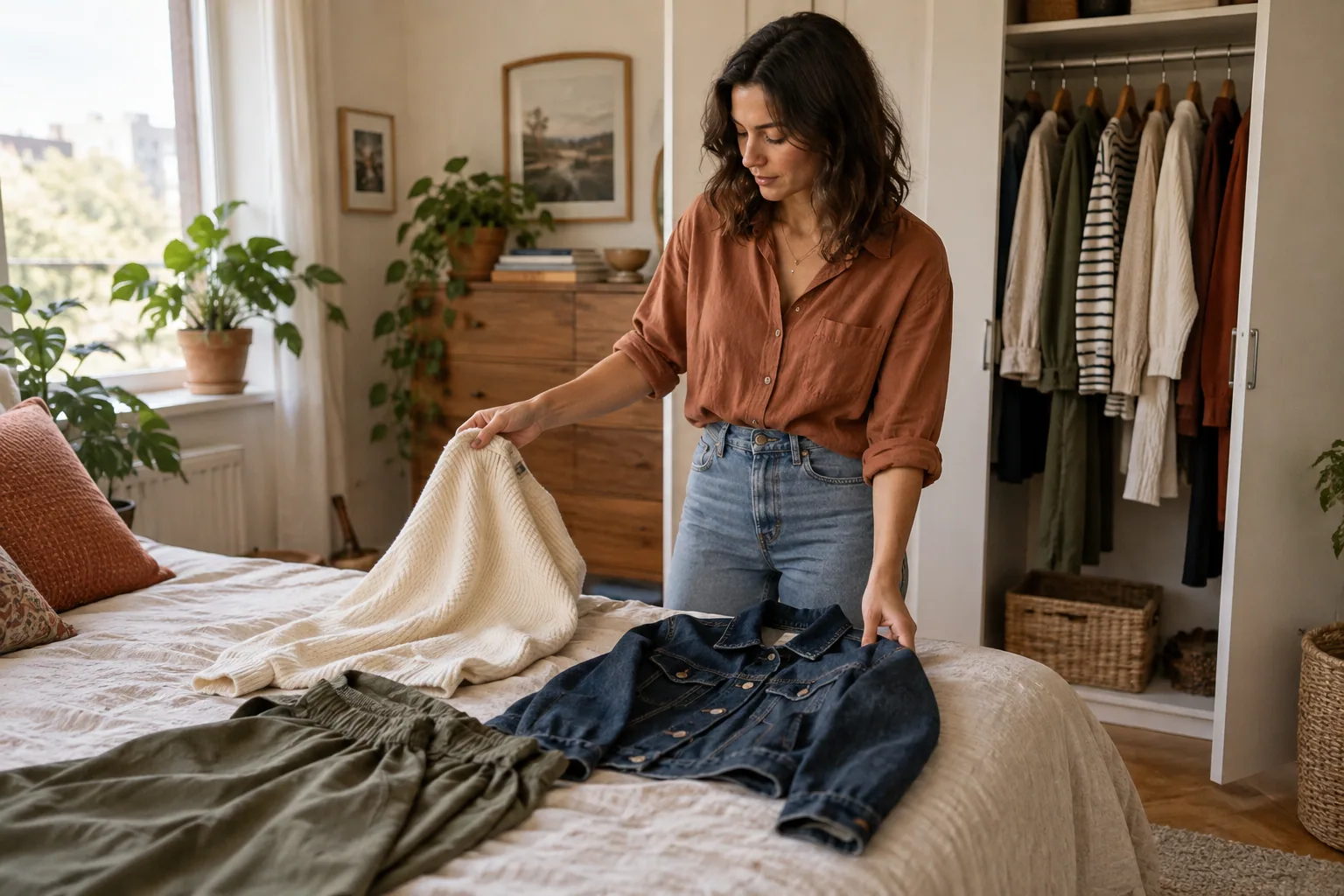
The Secondhand Clothing Check I Do Before I Fall for the Label
Seams, odor, lining, closures, and alteration potential tell you more than a famous name.
Affiliate disclosure: We may earn a commission if you buy through links on this page. Our editorial choices are independent, and prices and availability can change.
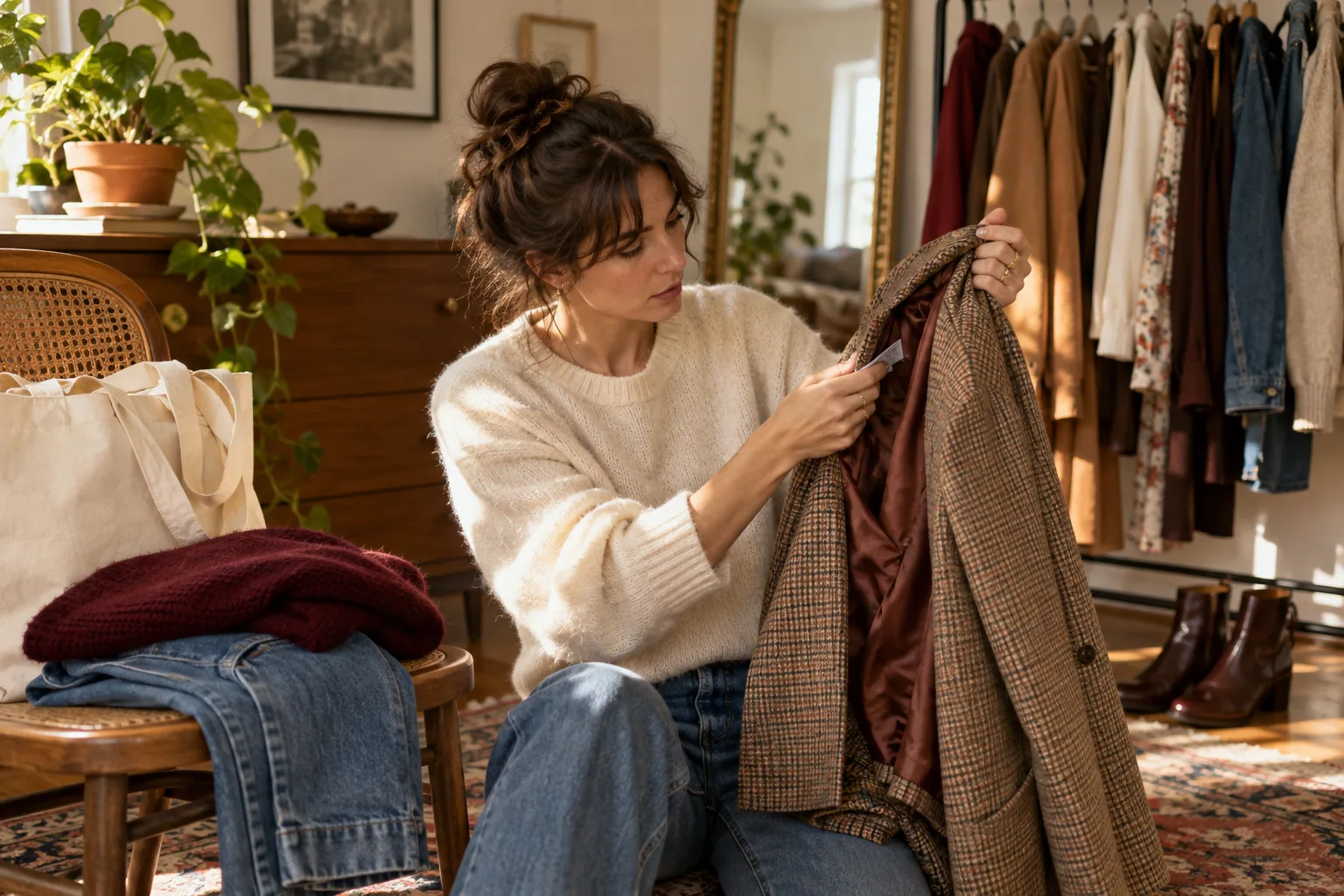
Secondhand shopping rewards patience, but a low price can make a repair-heavy piece feel like a bargain. The fastest reality check is to ignore the label for a minute and inspect the parts that carry stress.
Check underarms, cuffs, crotch seams, hems, lining, closures, and odor. Then ask whether the alteration is simple, whether the fabric suits your care routine, and what role the piece fills at home.
Choose around the routine you repeat
- Inspect high-friction areas
- Test every closure
- Calculate repair cost
- Clean before closet storage
Our scenario-based picks
These are product types to compare, not claims of laboratory or hands-on testing. Each link opens a current retailer search so you can compare specifications, seller terms, and availability.
Pocket LED flashlight
Best for: Seeing lining, stains, and fabric thinning
Tradeoff: Harsh light can exaggerate minor wear
Check current optionsDelicate garment wash bags
Best for: Separating washable secondhand finds
Tradeoff: Not a substitute for label guidance
Check current optionsBasic clothing repair kit
Best for: Buttons, loose hems, and small seams
Tradeoff: Complex damage needs a professional
Check current optionsLook where bodies create friction
Shine, thinning, pilling, and seam strain appear first where fabric rubs or bears weight.
The useful test is whether this choice still works on an ordinary rushed morning, with the shoes, layers, care routine, and storage space you already have.
Price the repair honestly
A missing button is different from a damaged zipper, torn lining, or moth activity; include professional work in the true cost.
The useful test is whether this choice still works on an ordinary rushed morning, with the shoes, layers, care routine, and storage space you already have.
Quarantine and clean
Keep new-to-you garments separate until they are inspected and cleaned according to their care labels.
The useful test is whether this choice still works on an ordinary rushed morning, with the shoes, layers, care routine, and storage space you already have.
Frequently asked questions
What secondhand damage is easiest to fix?
Loose buttons, simple hems, and small open seams are often straightforward; fabric weakness and major zipper work are different decisions.
Should I buy for future alterations?
Only when the alteration is realistic, priced, and the finished measurements will suit you.
Editorial note: This guide is based on published product information and practical use-case analysis. Christians R Us Online has not claimed hands-on testing of the products linked above. Last reviewed September 16, 2026.