

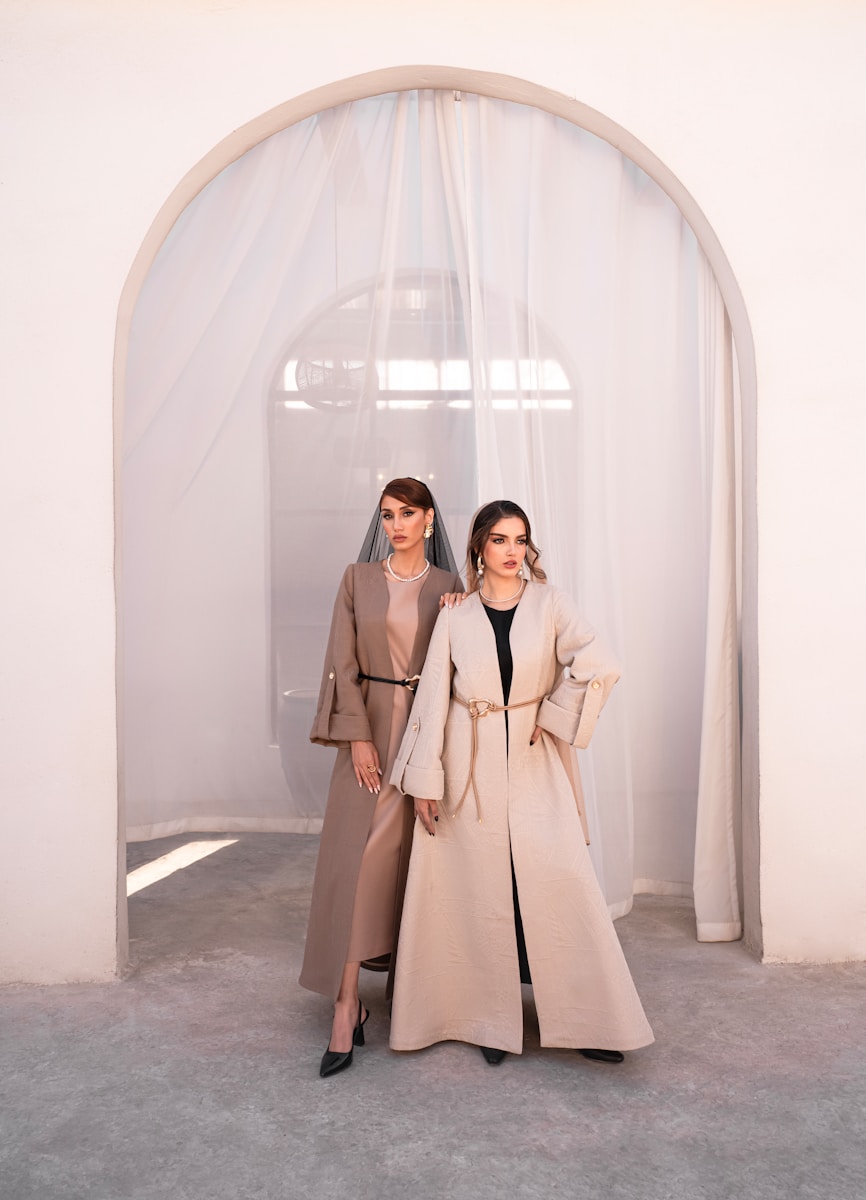
In a world overflowing with trends, colors, and constant novelty, the concept of minimalist dressing feels like a quiet rebellion. It is a whisper of refinement in a room of noise—a style philosophy that doesn’t shout for attention but earns it through subtle mastery. Chic minimalist dressing isn’t about deprivation or monotony; it’s about intention. It celebrates clarity over clutter, precision over excess, and confidence over conformity. The secret to mastering this approach to fashion lies not in the clothes themselves, but in the mindset behind every choice.
Simplicity as a Statement
Minimalist style begins with a simple truth: what you wear should serve you, not the other way around. The power of a crisp white shirt, a tailored black blazer, or a pair of perfectly cut trousers lies in their quiet confidence. Each piece becomes a foundation rather than a distraction, allowing the wearer’s individuality—not their outfit—to take center stage. This is what makes minimalist dressing inherently chic; it shifts focus from decoration to presence.
Coco Chanel famously advised women to remove one accessory before leaving the house. That advice, at its core, is minimalist wisdom. The goal is not to be plain, but to create space for refinement. Every button, every line, every shade in a minimalist wardrobe serves a purpose. The simplicity is deliberate—each detail earns its place.
Quality Over Quantity
The minimalist wardrobe thrives on the principle that less is more, but also that less must be better. When your closet is stripped to essentials, quality becomes nonnegotiable. The texture of fine cotton, the drape of silk, the structure of good wool—these are the silent luxuries that elevate simplicity into sophistication. A minimalist dresser may own fewer garments, but each one carries enduring value.
Investing in quality also fosters mindfulness. It pushes you to think about craftsmanship, sustainability, and longevity. Fast fashion thrives on impulse; minimalist dressing resists it. A single, well-cut coat can serve for a decade if chosen wisely. When you buy less, you buy better. And in that decision lies both elegance and ethics.
The Palette of Restraint
Color plays a crucial role in minimalist dressing. The archetypal minimalist wardrobe revolves around neutrals: black, white, beige, navy, and gray. But it’s not about restriction—it’s about harmony. A restrained palette allows effortless mixing and layering. More importantly, it creates a visual language of calm and coherence.
Each hue has a personality: black conveys authority, white signals purity, camel radiates warmth, and navy exudes understated professionalism. By mastering these tones, a minimalist dresser curates a wardrobe where every piece works seamlessly with the next. Occasionally, a single accent—an emerald scarf, a red lip, or a gold bracelet—adds vibrancy without overwhelming the whole. In minimalism, color isn’t decoration; it’s punctuation.
The Power of Silhouette
Minimalism may seem synonymous with simplicity, but true chic lies in the subtle play of shape and structure. A minimalist outfit relies on silhouette the way a sculpture relies on form. The drape of a coat, the crisp line of trousers, or the fluid fall of a silk blouse—these details define proportion and movement.
Structured pieces give minimalist dressing its architectural quality, while fluid fabrics bring softness and femininity. The key lies in balance. Oversized blazers paired with slim trousers, or a boxy top over a sleek midi skirt, create dimension without chaos. Minimalism doesn’t eliminate creativity; it channels it into precision.
Effortless Confidence
The beauty of minimalist style is that it doesn’t demand perfection—it encourages confidence. When your wardrobe aligns with your personality, dressing becomes effortless. You stop dressing to impress and start dressing to express. That shift transforms clothing from costume to identity.
There’s a quiet confidence in knowing that your outfit will work in any setting—a dinner party, a meeting, or a casual weekend stroll. This versatility is the unsung luxury of minimalism. Each piece in your wardrobe performs multiple roles, liberating you from the anxiety of endless choice. Paradoxically, by limiting options, you expand your freedom.
The Mindset of Intentionality
Minimalist dressing is more than an aesthetic—it’s a mindset rooted in intentionality. It asks: What do I truly need? What represents me best? Each answer refines your sense of self. This mindful approach spills over into other aspects of life—your home, your schedule, even your relationships. Minimalism teaches discernment: keeping what adds value and letting go of what doesn’t.
In a culture obsessed with accumulation, dressing minimally becomes an act of self-respect. It’s saying no to the excess that clutters your space and yes to the essentials that define you. You learn that simplicity doesn’t mean lack—it means clarity.
Icons of Minimalism
The timeless allure of minimalist dressing is best understood through its icons. Think of Carolyn Bessette-Kennedy’s sleek slip dresses and neutral palettes, or Audrey Hepburn’s black turtlenecks and cigarette pants. These women built visual legacies not through extravagance, but through consistency and restraint. Even modern fashion figures like Phoebe Philo or Victoria Beckham embody this ethos—each has carved a signature look built on clean lines and quiet strength.
What they all share is a refusal to chase trends. Minimalists know that true style endures while fashion fades. Their wardrobes evolve, but never waver from their essence. That’s the secret: discipline in taste, confidence in simplicity.
The Art of Editing
If maximalists build wardrobes by addition, minimalists master the art of subtraction. Editing is a crucial step toward chic simplicity. Standing before your closet, ask yourself: Would I buy this again today? If the answer is no, it doesn’t belong. Minimalist dressing thrives on precision, not sentimentality.
A curated closet reflects mental clarity. You know where everything is, what fits, and how each item complements the next. This approach saves time, reduces decision fatigue, and nurtures a sense of control. You start each day with ease instead of overwhelm. Fashion becomes less about having everything, and more about having the right things.
Sustainability and Minimalism
Beyond aesthetics, minimalist dressing intersects with sustainability. The fashion industry is notorious for its waste and environmental toll. Embracing minimalism is a conscious step toward responsible consumption. Buying fewer, better-made clothes reduces waste and promotes a slower, more sustainable rhythm of living.
Many minimalist brands now prioritize ethical production, organic fabrics, and transparent supply chains. Supporting these labels aligns your wardrobe with your values. The result is not only a cleaner closet but also a cleaner conscience. In this sense, minimalism isn’t just a style choice—it’s a moral one.
The Subtle Luxury of Detail
Chic minimalism thrives in the nuances. A precisely stitched hem, a matte gold buckle, or the way a sleeve falls just above the wrist—these are details that speak volumes to the discerning eye. The minimalist dresser understands that luxury doesn’t always glitter; sometimes, it whispers.
Accessories follow the same rule. A leather tote, a pair of sleek loafers, or a delicate gold chain can elevate an outfit without breaking its calm rhythm. Each accessory should feel intentional, not ornamental. In the minimalist’s world, every element earns its place through purpose and design integrity.
Minimalism as Self-Expression
Perhaps the greatest misunderstanding about minimalist dressing is that it suppresses individuality. In truth, it amplifies it. Stripped of distractions, your presence becomes the centerpiece. Minimalism offers a blank canvas on which your personality paints freely. Your gestures, your confidence, even your silence become your signature.
This self-assurance is what makes minimalist dressing truly chic. You wear your clothes—they don’t wear you. The absence of clutter allows authenticity to shine. Style, in the minimalist sense, becomes an expression of self-awareness rather than self-display.